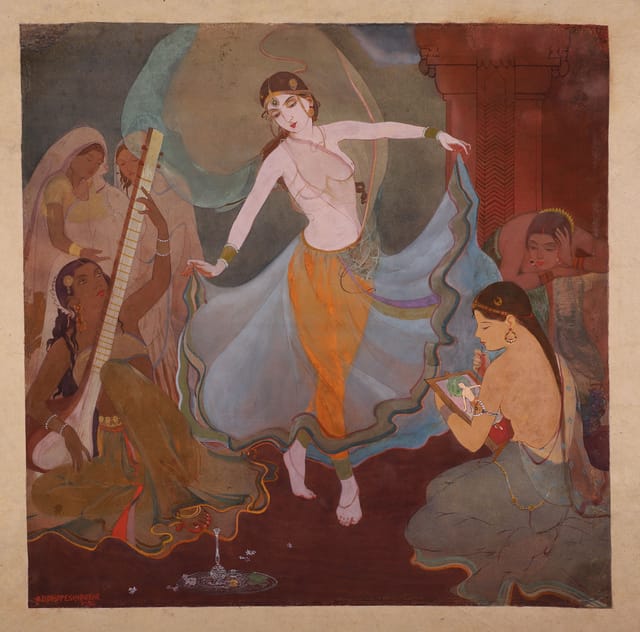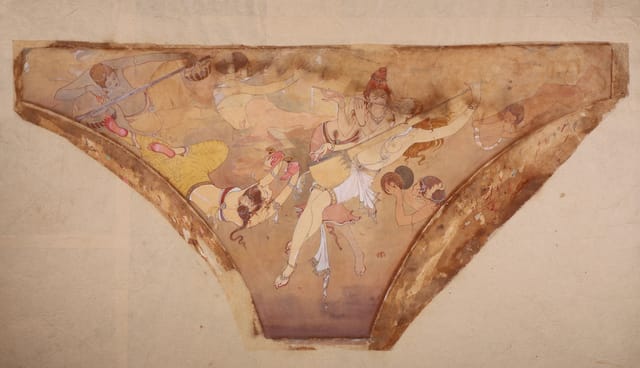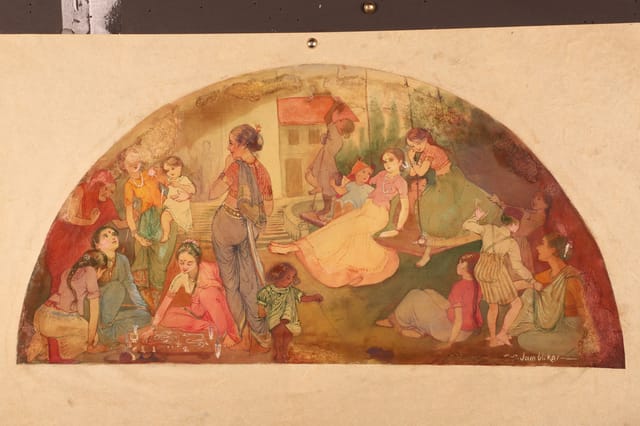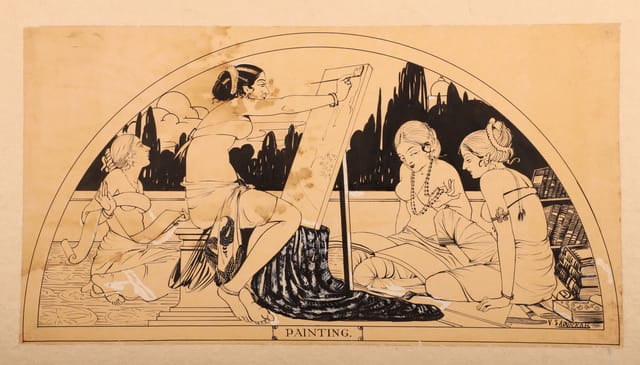
Singing (Gītam)
GītamSing: an abhang, a bhajan, a film song, a lullaby your grandmother sang.
The story of this art
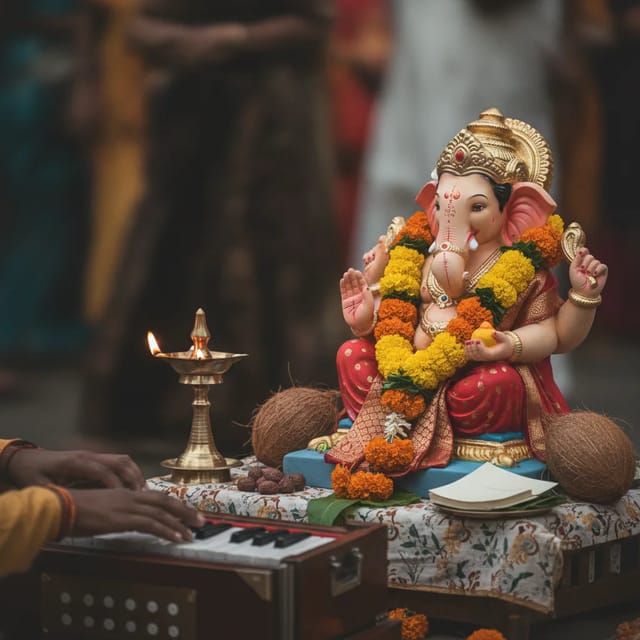
Gītam, the art of singing, is the practice of tuning the human voice to produce structured sound, rhythm, and emotion. Practitioners develop vocal control through systematic daily discipline, learning to hold stable notes and navigate complex melodic scales. In the Indian tradition, vocal music is foundational, attested in the chant traditions of the Samaveda and positioned at the head of the classical lists of sixty-four arts. A concrete detail of this craft lies in the execution of meend, a seamless vocal glide from one note to another that creates a continuous curve of pitch rather than disconnected steps. Vocalists also master breath control to sustain extended musical phrases while maintaining precise pitch. Today, this art remains vibrant across India, especially in Maharashtra. It resonates in classical khayal performances, community singing of devotional varkari abhangas, temple bhajans, regional folk melodies, and popular film songs. From a grandmother singing a quiet lullaby at home to vocalists performing on public stages, singing continues to weave through every sphere of life.