Sleight of Hand (Hasta-lāghava)
Hasta-lāghavaDo with your hands what the eye cannot follow.
The story of this art
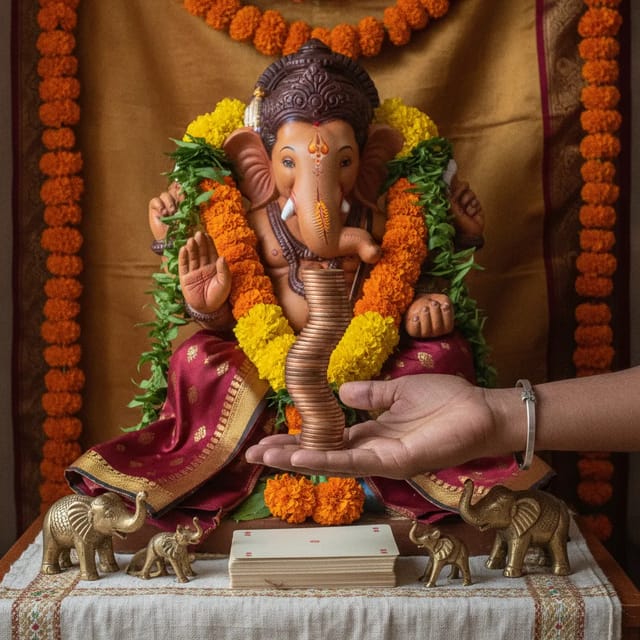
Sleight of hand, known as hasta laghava, is the art of rapid finger movement and manual deception. Practised through disciplined control of the palms, fingers, and wrists, it creates illusions that fool the human eye. Performers use misdirection, fluid gestures, and precise timing to make small objects appear, vanish, or transform in plain sight. This discipline is documented in the classical lists of sixty-four traditional arts, where it was valued as both a performing skill and a test of physical grace. A central detail of the craft involves palming, where an artist secretly holds a small object like a shell, coin, or wooden bead inside the natural curve of the hand while keeping the fingers relaxed and appearing empty. Today, this art survives across India through traditional street performers, known as jadugars, who entertain crowds at village fairs, weekly markets, and urban roadside venues. In Maharashtra, travelling illusionists perform simple tricks with cups, ropes, and brass rings during regional festivals, keeping the ancient practice of manual quickness alive in public spaces.