Forehead Ornament Cutting (Viśeṣaka-cchedya)
Viśeṣaka-cchedyaCut leaf or foil patterns for tilak and forehead ornament.
The story of this art
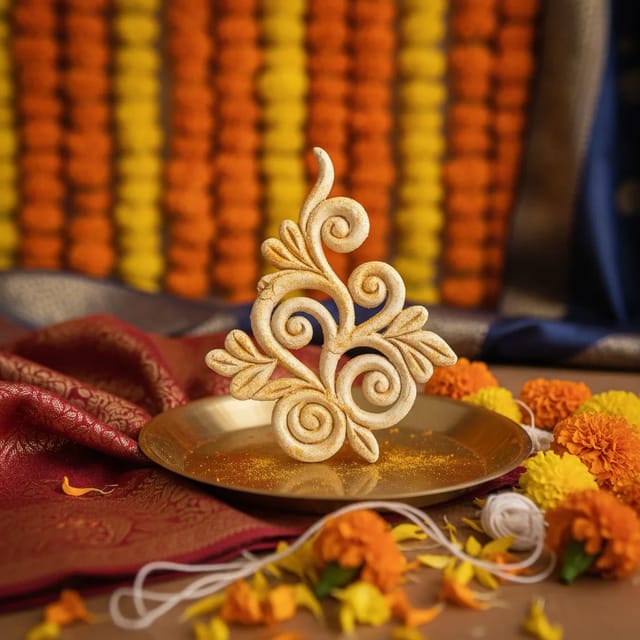
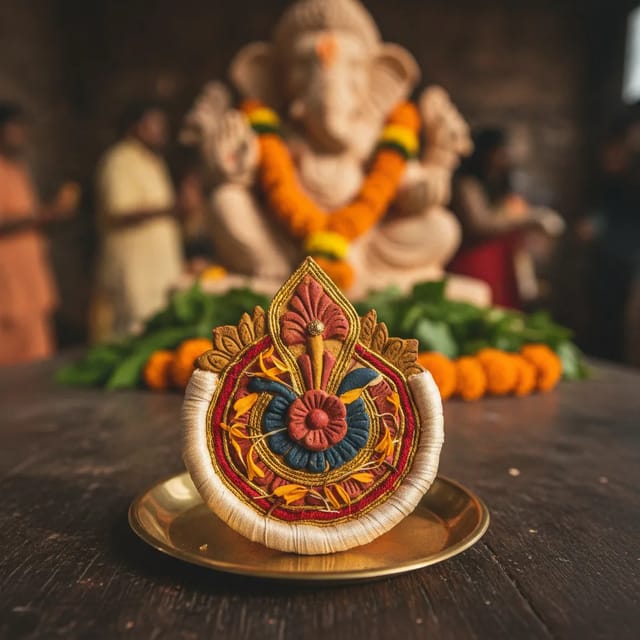
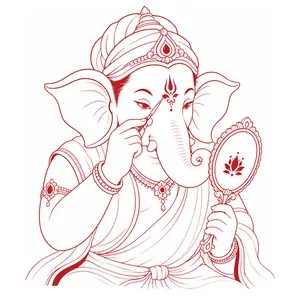
Visesakacchedya is the classical art of cutting delicate patterns from leaves, metallic foils, or paper to adorn the forehead. Attested in the Kamasutra of Vatsyayana as one of the sixty-four arts, this craft combines cosmetic design with precision manual cutting. Practitioners historically prepared thin layers of birch bark, mica, palm leaves, or gold and silver foil. Using fine blades or specialized metal punches, they cut intricate shapes such as lotus petals, crescent moons, dots, and geometric clusters. These cut ornaments were applied to the forehead using natural adhesives such as sandalwood paste or plant resin, functioning as both decorative tilak and ritual mark. In modern India, the legacy of this art survives in ceremonial makeup and religious traditions. While manufactured adhesive bindis are now widely used, hand-crafted forehead ornamentation remains essential for traditional occasions. In Maharashtra, the crescent-shaped chandrakor bindi and decorative wedding tilaks directly reflect this artistic heritage. Intricate forehead patterns created from sandalwood paste and cut leaf or foil continue to decorate classical dancers, temple deities, and brides across the country.